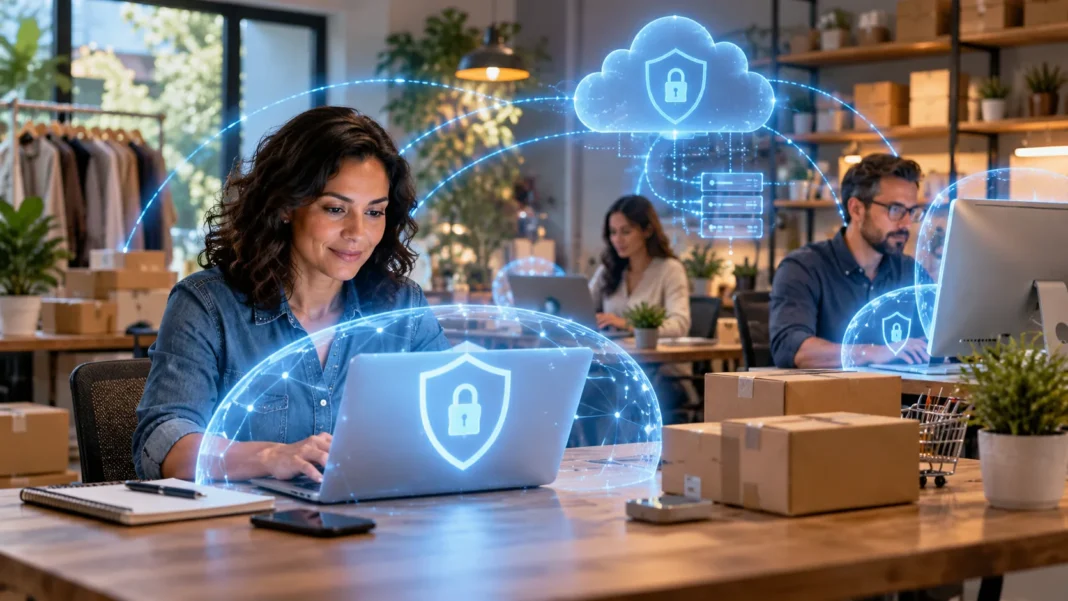

Cybersecurity protects small businesses from digital threats that can disrupt operations, expose sensitive information, and cause financial losses. As companies increasingly use online payments, cloud software, and digital communication, protecting business systems has become essential. Even a small security incident can affect customer relationships, employee productivity, and daily business activities.
Many small business owners believe cybercriminals only target large companies with valuable databases. However, smaller organizations can also face phishing scams, ransomware attacks, account takeovers, and data breaches. Understanding how cybersecurity protects small businesses helps owners build safer operations, reduce unnecessary risks, and maintain customer confidence.
Why Cybersecurity Matters for Small Businesses
Small businesses rely on technology to manage customer information, process payments, communicate with employees, and complete daily tasks. Without proper cybersecurity measures, these activities can become vulnerable to unauthorized access and online attacks. A single compromised account may interrupt important services, expose confidential business records, or create unexpected recovery expenses that affect business performance.
Cybercriminals may target smaller companies because they sometimes have limited security budgets, outdated software, or fewer technical resources. Businesses without dedicated IT teams may also overlook suspicious messages and unusual account activity. These weaknesses can make it easier for attackers to exploit security gaps, especially when employees regularly handle sensitive information through connected devices.
Strong cybersecurity practices help businesses manage these risks without requiring complicated technology or expensive systems. Basic protections such as secure passwords, regular software updates, and employee awareness can make a meaningful difference. By treating digital security as an ongoing business responsibility, owners can protect their operations while creating a safer environment for customers and employees.
How Cybersecurity Protects Sensitive Business Data
Every small business collects information that requires careful protection, including customer contact details, employee records, payment information, and financial documents. Cybersecurity helps prevent unauthorized users from accessing, changing, or stealing this data. Encryption, access permissions, and secure storage systems work together to reduce exposure and keep confidential information available only to approved individuals.
Data protection also involves controlling how information moves between employees, software applications, and external service providers. Businesses can improve security by limiting unnecessary access and using trusted platforms for file sharing. When sensitive records are stored in cloud applications, properly configured security settings help reduce the chances of accidental exposure or unauthorized downloads.
Protecting business data supports more than technical security because it also strengthens customer relationships and internal accountability. Customers want reassurance that their personal information is handled responsibly when purchasing products or requesting services. Businesses that establish clear data protection policies can demonstrate professionalism while reducing operational disruptions associated with information security incidents.
Preventing Financial Losses From Cyberattacks
Cyberattacks can create financial problems through fraudulent payments, business interruptions, lost sales, and recovery expenses. A compromised email account might be used to send fake invoices, while malicious software could prevent employees from accessing essential systems. Cybersecurity reduces these risks through preventive controls, suspicious activity monitoring, and safer financial communication practices across business operations.
Small businesses can protect financial transactions by enabling multifactor authentication and verifying unexpected payment requests through trusted communication channels. Restricting access to accounting software and banking information provides another important protection. These measures reduce opportunities for account misuse and payment fraud, particularly when several employees handle invoices, supplier relationships, and financial records.
The financial benefits of cybersecurity also extend to maintaining predictable business operations and avoiding unnecessary downtime. Recovering compromised devices or restoring unavailable information can require significant time and professional assistance. Investing in practical security measures helps businesses manage potential losses while preserving resources needed for customer service, employee development, and future business growth.
Protecting Small Businesses Against Ransomware
Ransomware is malicious software that can block access to important files or systems and demand payment. For a small business, losing access to customer records, schedules, or accounting information can interrupt operations. Cybersecurity helps reduce ransomware exposure through updated software, reliable backups, secure account access, and employee training that addresses common attack methods.
Regular data backups are particularly important because they provide a way to recover essential information when systems become unavailable. Businesses should maintain protected backup copies that are isolated from everyday systems and test whether restoration works. Keeping operating systems and applications updated also reduces exposure to known vulnerabilities that attackers may exploit.
A ransomware prevention strategy should include a clear plan for responding when suspicious activity appears. Employees need to understand whom to contact, while business owners should know which systems are most important for recovery. Combining preventive security controls with tested recovery procedures helps organizations reduce downtime and restore essential services more effectively after an incident.
How Cybersecurity Builds Customer Trust
Customers share personal details with businesses when placing orders, scheduling appointments, or communicating through websites. They expect this information to remain protected from unauthorized access and misuse. Strong cybersecurity practices demonstrate that a company takes these responsibilities seriously and has considered the risks associated with collecting and managing customer information.
Secure websites, reliable payment processing, and responsible data handling can improve customer confidence during online interactions. Businesses should use reputable payment providers, protect customer accounts, and explain how personal information is handled. Clear privacy practices and prompt communication about genuine security concerns can also help customers understand the company’s commitment to protecting their information.
Customer trust becomes especially important when smaller businesses compete against established brands with greater resources. Demonstrating reliable digital security can support a professional reputation and encourage long-term relationships. Although cybersecurity cannot guarantee complete protection, consistent security practices show customers that the business takes reasonable steps to safeguard their information.
Securing Business Websites and Online Transactions
A business website often serves as the main connection between customers and a company’s products or services. If attackers compromise the website, visitors may encounter harmful content, fraudulent payment pages, or unauthorized account activity. Website cybersecurity helps protect these interactions through secure connections, updated applications, controlled administrator access, and regular monitoring for suspicious changes.
Small businesses should use HTTPS connections with valid security certificates to protect information exchanged between visitors and websites. Website software, plugins, and content management systems also need regular updates to address known security vulnerabilities. Limiting administrative permissions and enabling multifactor authentication further reduces the chances of unauthorized users changing website settings.
Online payment security requires careful attention because payment-related information can create serious risks when mishandled. Using established payment processors helps businesses avoid storing unnecessary sensitive card details within their own systems. Combining secure checkout technology with fraud monitoring and appropriate access controls supports safer transactions and a more dependable shopping experience for customers.
Protecting Employees and Remote Work Environments
Employees use computers, smartphones, email accounts, and online platforms to complete their responsibilities throughout the workday. These tools can become security risks when devices are unprotected or accounts use weak authentication methods. Cybersecurity helps businesses establish safer working environments through device security, access management, software updates, and clear technology usage policies.
Remote employees may connect to business applications through home networks, shared devices, or unfamiliar internet connections. Businesses can reduce risks by providing managed devices, secure connections, and multifactor authentication for important accounts. Employees should also understand why installing unapproved software or sharing business credentials can expose company information to unauthorized individuals.
Effective employee security policies should be practical enough for daily use without creating unnecessary obstacles. Staff members need straightforward guidance about device protection, secure document sharing, and reporting suspicious activity. When cybersecurity becomes part of everyday working habits, organizations can strengthen their defenses while supporting productivity across office-based, hybrid, and remote teams.
Reducing Phishing and Email Security Threats
Phishing attacks use deceptive messages to trick recipients into revealing information, approving fraudulent payments, or opening malicious content. These messages may imitate banks, suppliers, customers, or familiar online services to appear trustworthy. Cybersecurity awareness helps employees recognize suspicious communication patterns and understand why unexpected requests deserve careful verification before any action is taken.
Email protection tools can help identify malicious attachments, suspicious links, and messages associated with known threats. However, automated filtering does not catch every harmful email, making employee judgment equally important. Businesses should establish procedures for verifying unusual financial instructions, checking unexpected account alerts, and reporting messages that appear inconsistent with normal communication.
Regular cybersecurity training helps employees respond appropriately when they receive convincing but potentially fraudulent messages. Practical examples can explain how attackers create urgency or impersonate trusted business contacts. Encouraging employees to report mistakes and suspicious emails promptly, without fear of automatic punishment, improves visibility and helps businesses respond before problems become more serious.
How Cybersecurity Ensures Business Continuity
Business continuity means maintaining or restoring essential operations when unexpected problems affect normal activities. Cyber incidents can interrupt communication, prevent access to records, and make important business applications unavailable. Cybersecurity supports continuity by helping organizations identify critical systems, reduce disruption risks, and prepare procedures for recovering from technology-related incidents.
An effective business continuity plan identifies the information, services, and systems employees need most urgently. Businesses should determine backup arrangements, emergency communication methods, and responsibilities during a security incident. Testing these plans helps reveal weaknesses before an actual disruption occurs, allowing owners to make improvements while normal operations remain available.
Cybersecurity and disaster recovery work together to make small businesses more resilient against unexpected events. Security controls help prevent incidents, while recovery plans explain how essential services can be restored when prevention is insufficient. This combination protects customer experience, supports employees, and reduces uncertainty when technology problems threaten normal business activities.
Supporting Compliance and Legal Responsibilities
Small businesses may have legal or contractual responsibilities related to personal information, payment data, and confidential business records. The exact requirements depend on their location, industry, customers, and information handling practices. Cybersecurity supports compliance by helping businesses implement appropriate safeguards, document procedures, and manage access to information covered by applicable obligations.
Organizations that process payment cards or handle sensitive customer information may need specific security controls under relevant standards or regulations. These controls can include access restrictions, system monitoring, secure information storage, and documented incident response procedures. Business owners should understand which requirements apply to their operations rather than assuming every industry follows identical rules.
Maintaining accurate security records can also help companies demonstrate responsible information handling during reviews or investigations. Employees should understand relevant policies, while management should periodically reassess security measures as business activities change. Consulting qualified professionals when necessary can help businesses interpret applicable obligations and address compliance gaps without relying on assumptions.
Affordable Cybersecurity Practices for Small Businesses
Protecting a small business does not always require expensive software or a dedicated cybersecurity department. Many useful protections are available through existing devices, cloud platforms, and business applications. Strong account security, automatic updates, reliable backups, and employee awareness provide a practical starting point for organizations with limited financial and technical resources.
Business owners should prioritize multifactor authentication, unique passwords, and a trusted password manager for important accounts. Devices should receive security updates, while endpoint protection can help identify potentially harmful software. Removing unused accounts and limiting permissions also reduces unnecessary access, making it harder for compromised credentials to expose sensitive business information.
Small businesses should regularly review their cybersecurity practices as new employees, tools, and services are introduced. A simple security checklist can help owners monitor backup performance, account permissions, and software updates. By focusing first on high-impact protections and reviewing them consistently, companies can strengthen their security without creating an unmanageable financial burden.
Conclusion
Cybersecurity protects small businesses by reducing digital risks that threaten financial stability, customer information, and everyday operations. Secure systems help prevent unauthorized access, strengthen transaction security, and limit exposure to common cyberattacks. These protections allow business owners to focus on delivering reliable services while maintaining greater confidence in their technology.
Effective cybersecurity depends on more than installing security software or creating complicated policies. Employees, managers, and business owners all contribute through secure working habits, responsible information handling, and timely reporting of suspicious activity. Combining these habits with technical safeguards and recovery planning creates stronger protection against avoidable security problems.
Every small business can begin improving cybersecurity by identifying its most important systems and addressing obvious weaknesses. Regular updates, secure authentication, protected backups, and employee training are practical first steps. Making cybersecurity an ongoing priority helps businesses build resilience, protect customer trust, and support sustainable growth in an increasingly digital environment.
Frequently Asked Questions
How Does Cybersecurity Help Small Businesses?
Cybersecurity helps small businesses protect customer information, prevent financial fraud, secure business systems, and reduce operational disruptions. It also supports customer trust and improves preparedness against phishing, ransomware, and unauthorized access.
What Are the Biggest Cybersecurity Threats to Small Businesses?
Common cybersecurity threats include phishing emails, ransomware, stolen passwords, business email compromise, and malicious software. Small businesses may also face risks from outdated systems, poorly configured cloud services, and unsecured employee devices.
Is Cybersecurity Expensive for Small Businesses?
Cybersecurity costs depend on business size, technology, and risk exposure. Many effective protections, including software updates, multifactor authentication, strong passwords, and basic employee training, can be implemented with relatively modest investment.
Can Small Businesses Protect Themselves Without an IT Team?
Yes, small businesses can improve security by using trusted cloud services, automatic software updates, password managers, and secure backups. However, professional assistance may be useful for complex systems, compliance requirements, or security incidents.
How Often Should Small Businesses Review Cybersecurity?
Small businesses should monitor essential protections regularly and conduct broader security reviews periodically. Reviews are especially important after introducing new software, changing employee access, experiencing a security incident, or making significant operational changes.